
9 Years Later: Reflecting on Kendrick Lamar’s ‘To Pimp a Butterfly
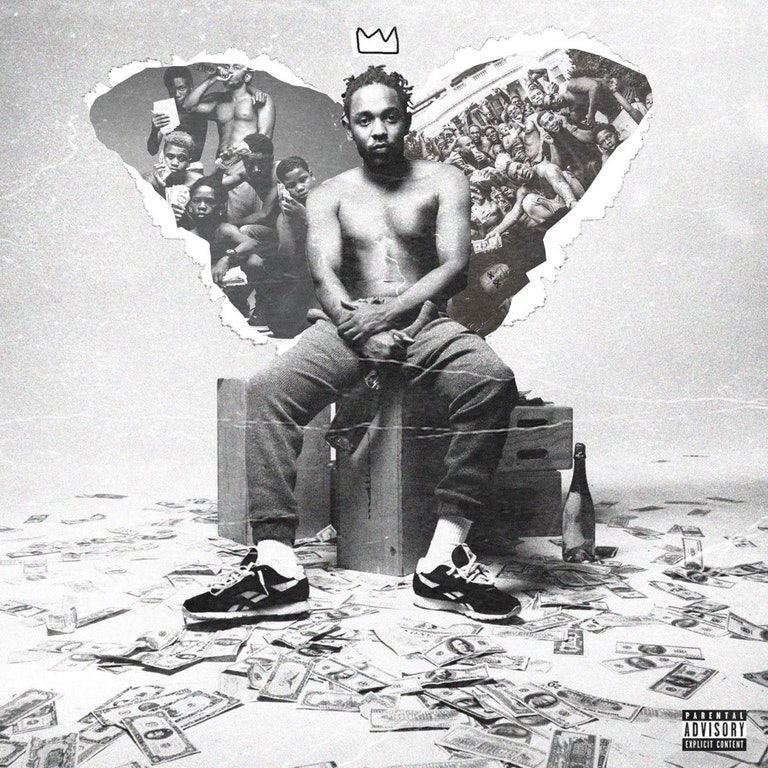
It has been 9 years since the release of Kendrick Lamar’s “To Pimp a Butterfly” (TPAB) album, and I am torn between deciding whether “DAMN” or TPAB is his magnum opus. As a huge fan of Kendrick Lamar, those who know me personally know that I talk about two things every day: Jesus and rap music, particularly Kendrick Lamar’s albums.
Reflecting on the past 9 years since the release of TPAB in 2015, I was struggling with feeling inferior to those around me. People were always talking about books, music, and other intellectual topics, while I was part of a Christian band and worked as a freelance drummer. I enjoyed listening to rap music but was often judged for it, especially since many of the popular rap songs at the time glorified sex, money, and violence. While I was not initially a fan of some of the great rappers and albums that came out in 2015, I have since come to appreciate their music.
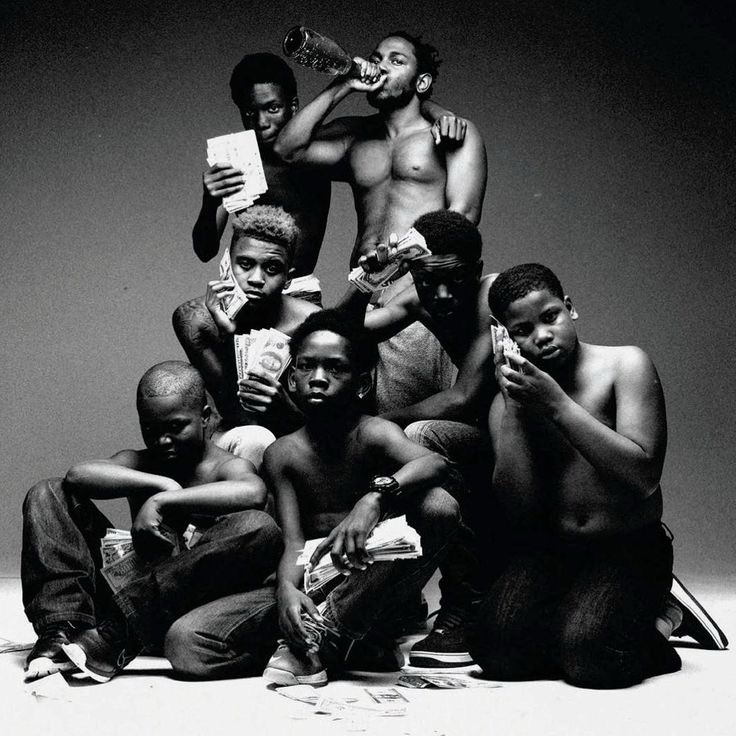
Kendrick Lamar doesn’t glorify sex, money, drugs, or any of that, but it’s ingrained in his background, and he said it because it’s part of his truth. He’s open about coming from a rough environment and wanting to shed light on that reality. As someone who was deeply rooted in my Christian faith, I found it intriguing to listen to Kendrick’s perspective. I used to be heavily involved in church, praying and seeking God’s guidance, but now I’ve moved away from organized religion while still feeling spiritually connected, thanks to Jesus and the insights from Kendrick Lamar.
Let’s discuss TPAB. After nine years, how do I feel about this masterpiece? I listen to a lot of Kendrick Lamar’s music every year. If you were to look at my Spotify or Apple Music wrap, you’d see that I spend a lot of time listening to Kendrick, Cole, and Ye.
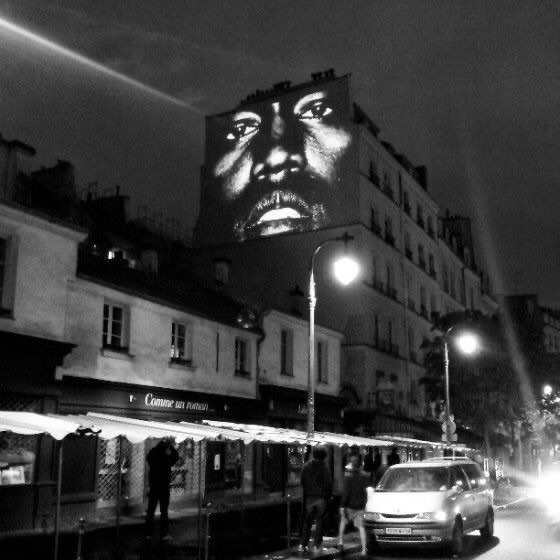
So, how do I define TPAB after nine years of listening? It’s a combination of funk, jazz, and spoken word. This album is highly innovative, similar to Ye’s Yeezus album, and sonically different from other rap albums.
This album is all about love, turning negative situations into positive ones. The entire album is about transforming from a caterpillar to a butterfly. Everyone wants to talk about how positive their life is, but no one wants to talk about the dirty parts. It’s all about positivity.
RAGE
This album summarizes the essence of rage, spirit, and love. It channels the words of James Baldwin, who fluently expressed the struggle of being Black in America: “All you are ever told in this country about being black is that it is a terrible, terrible thing to be. Now, in order to survive this, you have to really dig down into yourself and re-create yourself, really, according to no image which yet exists in America.” Kendrick Lamar, a product of America and the black experience, reflects on the trials and tribulations faced by himself and his community. While I may not personally relate to these struggles, I empathize deeply with the emotions conveyed in his music.
SPIRIT
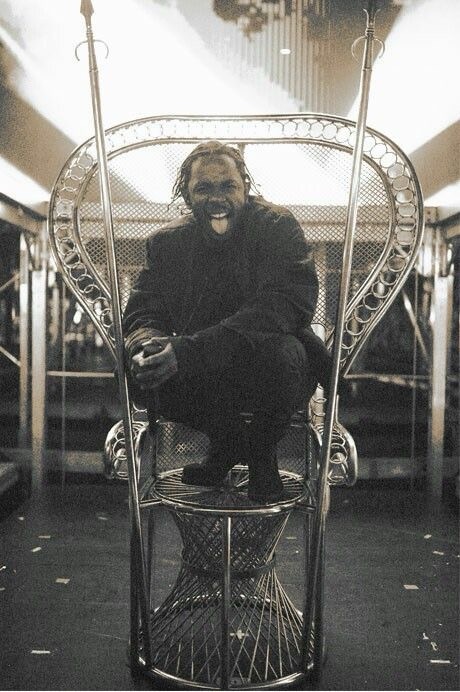
Spirituality extends throughout the very fabric of Black music, as Amiri Baraka astutely points out: “Indeed, to go back in any historical (or emotional) line of ascent in Black music leads us inevitably to religion, i.e. spirit worship. This phenomenon is always at the root in Black art, the worship of spirit—or at least the summoning of or by such a force.” When we speak of spirit, we’re not just referencing a vague concept, but rather tapping into a profound essence that fuels the soul of Black creativity. Kendrick Lamar himself has echoed this sentiment, acknowledging Tupac Shakur as a result of his influence on this album. It serves as a heartfelt homage, a letter penned to the icon who continues to inspire generations.
LOVE
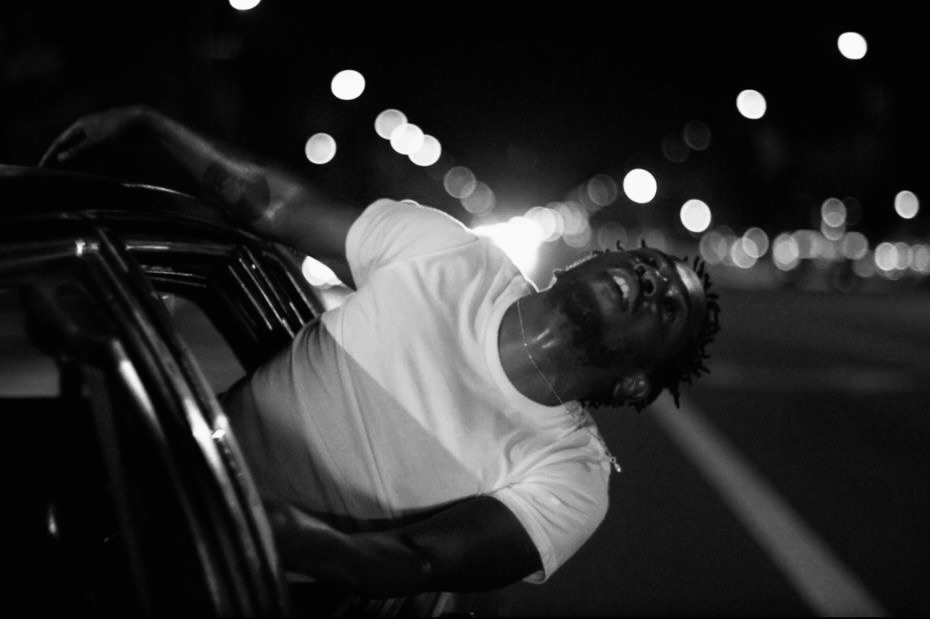
Love, as Kendrick Lamar articulates, lies at the heart of this album. His profound statement, “We are put on this earth to Love,” encloses the same theme beautifully. It’s not just a concept, but a guiding principle that saturates his music. Kendrick’s connection to love extends beyond mere words; it’s noticeable in his actions and experiences. In a moment captured during his time in South Africa, Kendrick was seen shirtless, embracing and engaging with the community in a display of genuine love and unity. This album serves as a testament to the transformative power of love, both in personal connections and in fostering unity within communities across the globe.
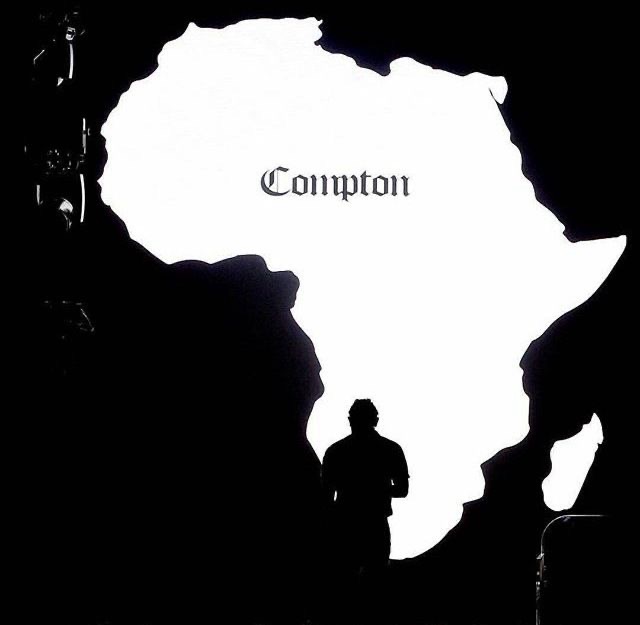
Moreover, this album has had a significant impact on me and my personal life. It has helped shape my character, influenced my views on people, religion, and art. As a result, I have started reading more thought-provoking books, developed an interest in mature music such as Jazz, and established a spiritual connection with God. Kendrick’s perspective on God and religion was something new to me. The way he resonates with Jesus in his music is admirable, and he is never ashamed to discuss his faith in interviews. Every year, I learn something new from this album, and I will undoubtedly continue to share the impact it has had on my life with others. Thank you Kendrick Lamar Duckworth.
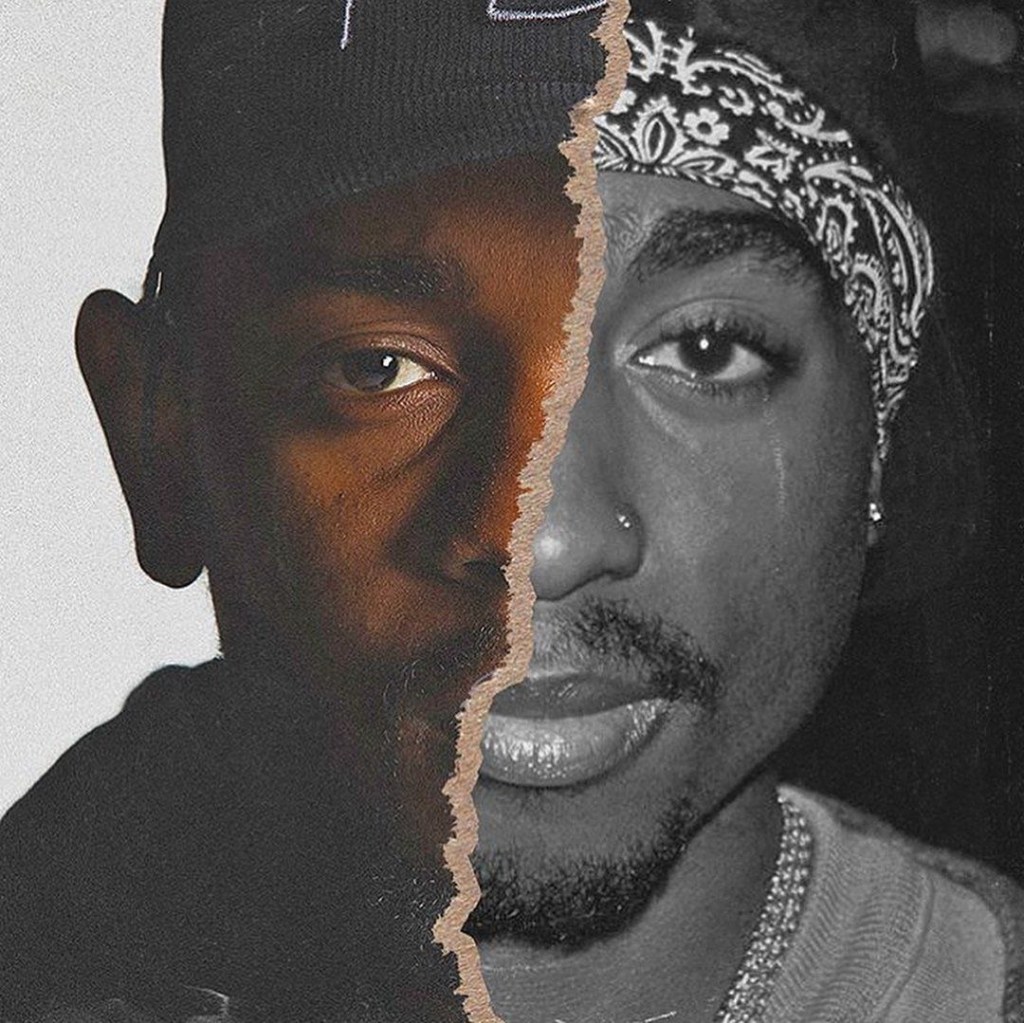
They are one and the same
What’s your perspective on that?
Рас, Рас, Рас?
 The Prophet in Town