

Can Anything Good Come Out of Nazareth?
Throughout history, Nazareth has been a symbol of obscurity and insignificance. Yet, it was precisely from this unassuming town that one of the most influential figures in human history emerged—Jesus of Nazareth. His story challenges us to reevaluate our judgments and beliefs about the potential for greatness in the most unlikely of circumstances.
It’s often said that “nothing good comes out of Nazareth,” reflecting the stereotypes and misconceptions associated with these places. Yet, history has shown us that greatness can indeed emerge from the most unlikely of origins. From Nazareth, we received Jesus Christ, our Lord and Savior, whose teachings and message of love continue to inspire millions around the world. Likewise, Compton, despite its challenging reputation, gave rise to Kendrick Lamar, a modern-day prophet and one of the most influential voices in the world of hip-hop. Both Nazareth and Compton stand as powerful examples of how individuals and places can defy expectations, leaving a lasting impact on humanity through their faith, artistry, and resilience.
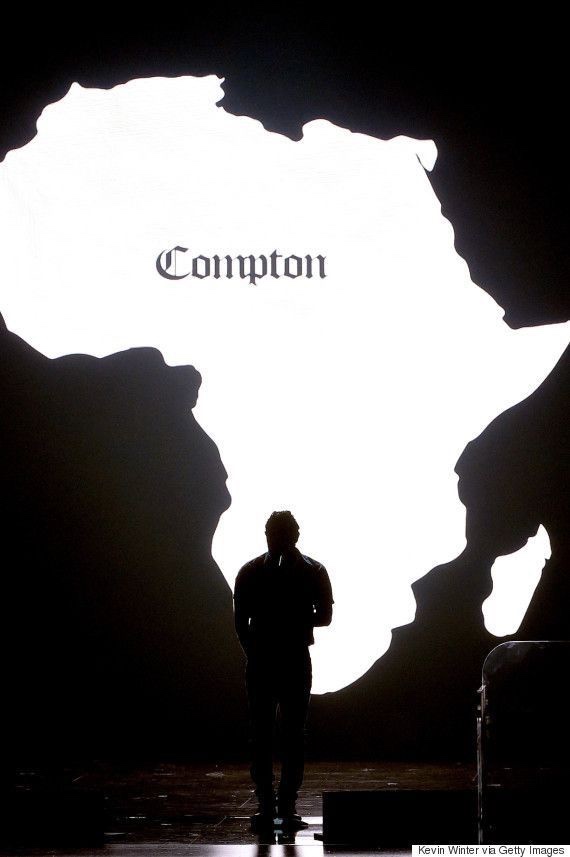
Kendrick has a prophet speaking for himself in DNA, we witness an artist unapologetically asserting his identity and power, effectively challenging the misjudgments and biases he may have faced, including those from media outlets like Fox TV. Kendrick’s decision to use this platform to address these issues is a powerful statement in itself.
In the opening of “DNA.,” Kendrick proclaims, “I got, I got, I got, I got loyalty, got royalty inside my DNA.” Here, he’s not just talking about his bloodline but also about the power, resilience, and strength that are inherent to his identity. By doing so, he not only reaffirms his connection to his roots but also sets the stage for a lyrical journey that’s deeply personal.
The bridge of the song, where he samples a Fox News clip critiquing his lyrics, is particularly significant. By incorporating this criticism into his music, Kendrick Lamar doesn’t just respond to the misjudgment; he uses it as a platform to address stereotypes and challenge the assumptions made about him as an artist and a person.
“DNA.” is not just a song but a powerful message to those who have misinterpreted his art and the essence of hip-hop. It’s evident that he felt compelled to address the misrepresentation of his music and the genre as a whole. In a world where media outlets like Fox News have sometimes twisted the narrative around hip-hop, Kendrick took a stand.
Kendrick Lamar: As I’ve grown as an artist, I’ve learned that my mission statement is really self-expression. I don’t want anybody to classify my music. I want them to say, “This is somebody who’s recognizing his true feelings, his true emotions, ideas, thoughts, opinions, and views on the world, all on one record.” I want people to recognize that and to take it and apply it to their own lives.
“DNA.” serves as Kendrick’s lyrical rebuke, asserting that hip-hop is not the problem but a reflection of the issues faced by marginalized communities, including racism and inequality. He raps, “I know murder, conviction, burners, boosters, burglars, ballers, dead, redemption, scholars, fathers dead, with kids.” These lines encapsulate the harsh realities that hip-hop often addresses.
By creating this song, Kendrick Lamar not only sets the record straight but also reaffirms the power of hip-hop as a vehicle for social commentary and change. He addresses the deeper message in his music and confronts the notion that hip-hop has caused more harm than racism itself.
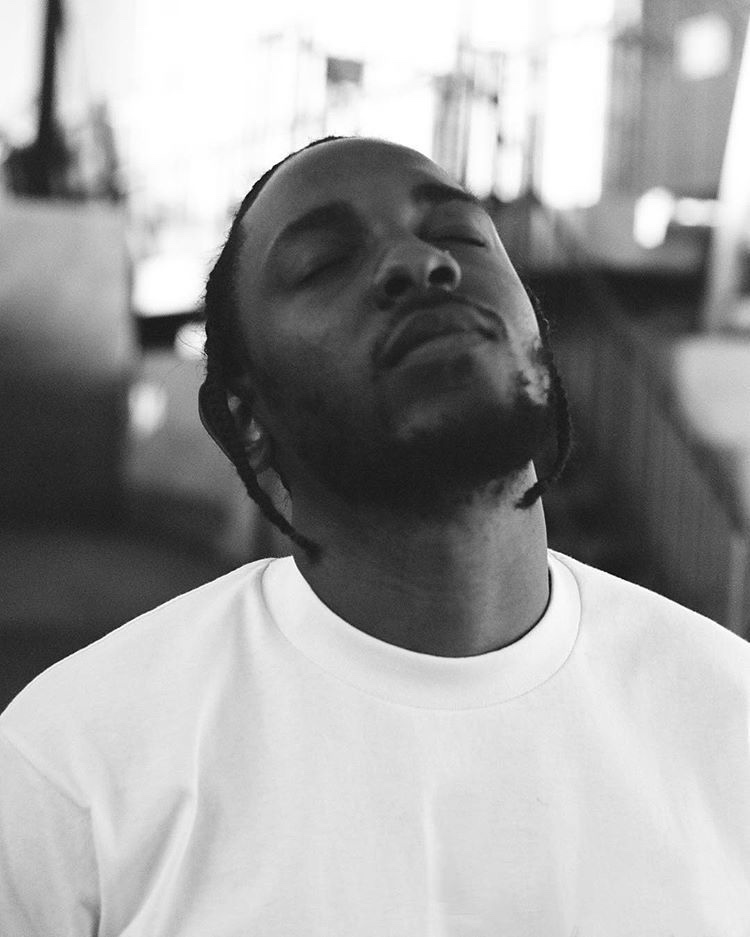
“DNA.” serves as a testament to Kendrick’s commitment to authentic storytelling and his refusal to let his message be distorted. It’s a reminder that hip-hop is a powerful tool for expressing the experiences and challenges faced by marginalized communities, and it should not be misrepresented or unfairly criticized. In this way, Kendrick Lamar’s “DNA.” becomes a vital part of the ongoing conversation about the role of music and art in society.
 The Prophet in Town