
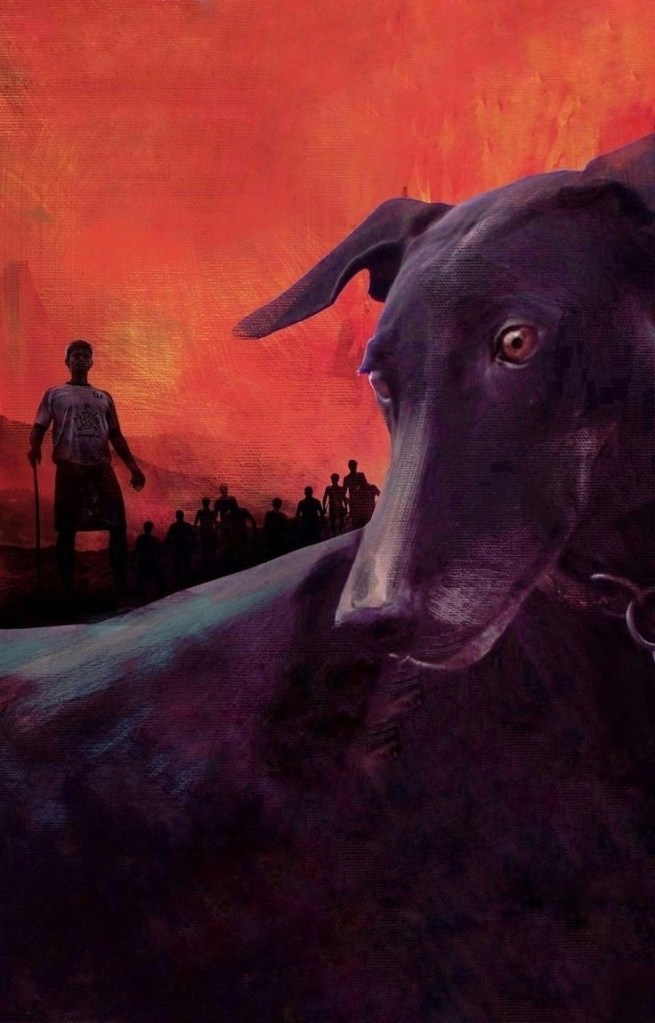
“Have you ever been a dog owner, cherishing a loyal companion whose unconditional love and unwavering obedience fill your life with joy and innocence? Now, imagine a heart-wrenching scenario where this faithful friend, who has become a part of your soul, falls victim to a cruel force, a caste monster, determined to rob you not only of your beloved pet but also of your innocence and freedom. This tragic and thought-provoking situation forces us to confront the darkest aspects of cruelty and injustice, reminding us of the power of love, loyalty, and the need to stand against oppression.”
Generations of my family have shared a special connection with dogs, making them an integral part of our household for as long as anyone can remember. This enduring tradition of having dogs as pets has woven a rich shade of love, loyalty, and cherished memories throughout our family history. Growing up, I’ve had the privilege of hearing and witnessing stories about the remarkable canine companions that have graced our lives. These stories, handed down through the generations, serve as a testament to the unwavering bond between humans and their furry friends. They remind us of the enduring role dogs have played in our lives, offering friendship, protection, and a unique kind of love that transcends time and generations.
I have a particularly vivid memory of one exceptional dog in our family’s history, Karuppa, whose name fittingly means “Black is beautiful.” This dog held a special place in our hearts, and his name carried a deep significance. Notably, he was named after our ancestors’ guardian deity, Karuppu Swamy. This connection to a divine figure emphasized the immense respect and reverence we had for Karuppa. He wasn’t just a pet; he symbolized protection and loyalty, mirroring the qualities associated with the guardian deity. Karuppa’s presence in our lives was a reminder of the spiritual and cultural ties that shaped our family’s relationship with our dogs, making him a cherished part of our heritage.
Karuppan died. The memory of Karuppan’s death still lingers in the recesses of my mind. I can recall the grim day when someone’s malicious act, poisoning him, shattered the joy that he brought into our lives. I was just a child at the time, and although I’m certain my family grieved deeply for his loss, my understanding of the gravity of the situation was limited. What remains etched in my memory is the image of his lifeless body, tongue out, a haunting sight that I couldn’t fully comprehend back then. As I reflect on it now, I realize how profoundly this incident impacted my family. Karuppan wasn’t just a pet; he embodied our values, our history, and our protection. His death felt like a direct affront to our family, leaving unanswered questions about who could have committed such an act at our very gate.
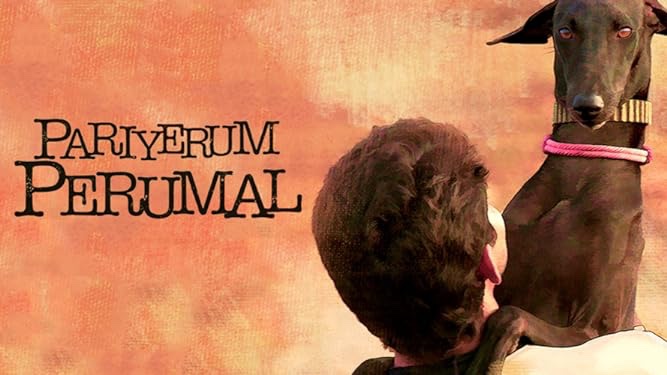
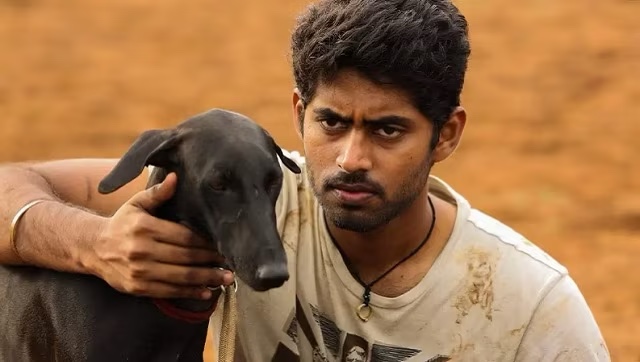
Today I am drawn to narrate the story of a young boy named Pariyerum Perumal and his faithful pet dog, Karuppi.
In the heart of an unusual, close-knit village, the story of Pariyerum Perumal BA BL unfolds—a tale that lace together the complexities of caste, love, and friendship. Pariyan, a young man from the lower-caste community, shares an unbreakable bond with his beloved dog, Karuppi, a cross-breed reminiscent of a Chippiparai. To Pariyan, Karuppi is more than just a companion; she is his protector and confidant in a world that can be cruel and unforgiving to those like him. Pariyan’s deep understanding of the harsh realities faced by his people leads him to have heartfelt conversations with Karuppi. He shares with her the wisdom and warnings about the world they navigate together, showing her that not all individuals are as compassionate as she might initially assume. This is a story that dig into the profound connection between a young man and his loyal canine companion, a connection that transcends societal prejudices and offers a touching insight into the human spirit.
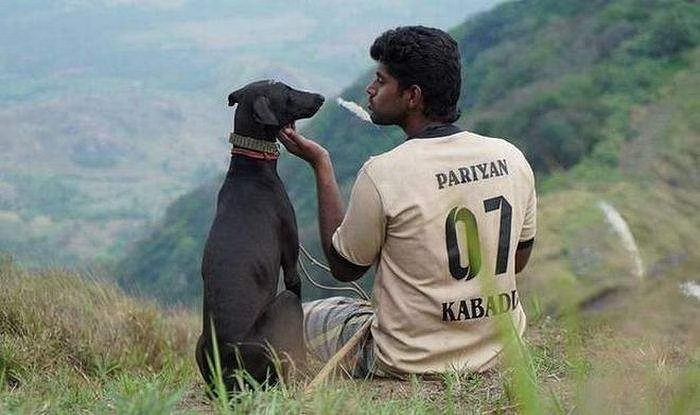
The song “Karuppi” by Santosh Narayanan opens with Pariyan’s heart-wrenching lament for the tragic death of his beloved companion, Karuppi. In a chilling and horrifying act, Karuppi falls victim to a brutal act of violence at the hands of an upper-caste individual who ties her to a train track, resulting in her being mercilessly torn apart. This wicked act serves as a blunt and haunting reminder of the deep-seated harm and oppression that persist in society, where the upper caste seeks to send a chilling message that lower-caste individuals are not entitled to life or dignity.
Pariyan starts his lament by asking his dead Dog Karuppi “Adi Karuppi Enn Karuppi
Nagathadame En Paadha
Nee Illaadha Kaattil
Naan Eppadithaan Thiriveno”
In the deep woods, I’ve always found solace in my loyal hound’s company. Her nail marks, etched in the earth, were my compass through the wilderness, leading me through thickets and thorns. Now, as I stand alone, I can’t help but wonder, who will guide me through these woods, where I wander with her guiding footmarks no longer by my side? It’s a lament, a cry from the heart, for my faithful companion is gone, and I must now navigate the forest of life without her.
“Listen, do you hear me talking? Can you hear my cry, even as my heart is torn into pieces, like the pain under the train tracks? You were like my heart, beating in rhythm with mine, and now, my only companion is gone. I can’t let go of the memories, the moments we shared.“
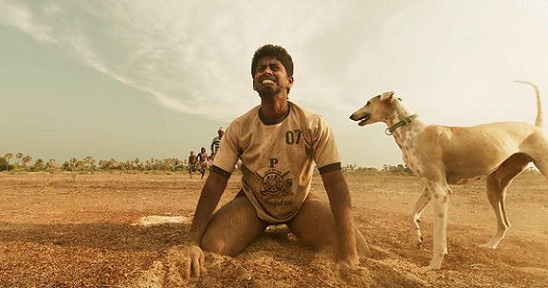
When Pariyan uttered those words, “Nammala Konnaven Yaarunu Enakku Nalla Theriyum
Ange Seththadhu Yaarunu Avanukku Mattumdhan Puriyum,” it was a chilling revelation. He understood that the reason his beloved dog was killed was a stark reflection of the harsh caste system that loomed over their lives. It was a warning message to his people, a reminder of how the upper caste treated them like they were beneath even a dog. The cruelty of it all, the readiness to take a life over something as arbitrary as caste, was a bitter truth that pierced his heart. Pariyan couldn’t help but draw a painful parallel between himself and his deceased companion – both innocent beings, one of them sacrificed merely for being born lower in status. In the eyes of society, he felt, they were no different, both worth less than they should be in this unforgiving place.
In the reality of our society, many of us can relate to Pariyan’s sad state. Despite education and financial status, we’re often judged and treated based on the gods we worship, our customs, clothing, dietary choices, the color of our skin, where we reside, our names, and even the vehicles we drive. The pervasive influence of caste isn’t confined to our homes; it extends to our workplaces, impacting our opportunities and dignity. To combat this deeply ingrained discrimination, we must take a page from the book of leaders like Dr. B.R. Ambedkar and focus on teaching and educating the next generation. By installing values of equality, respect, and empathy, we can work toward eradicating the poisonous roots of casteism and strive for a society where every individual is judged by their character and actions, rather than these arbitrary factors. It’s a journey that may be long and challenging, but it’s essential for a more just and equitable future.
 The Prophet in Town